Reviewing the evolution, drivers & status of industrial mineral recycling
Foreword to Mining Engineering’s IM Annual Review July 2026 by Mike O’Driscoll*
The future for the industrial minerals sector, and of mining in general, is being shaped by a New Order of geopolitical and environmental factors. Last year’s foreword focused on an example of the former (US tariffs impact; see Industrial minerals trade and the “T” word), here we shall focus on the latter, and in particular on mineral recycling.
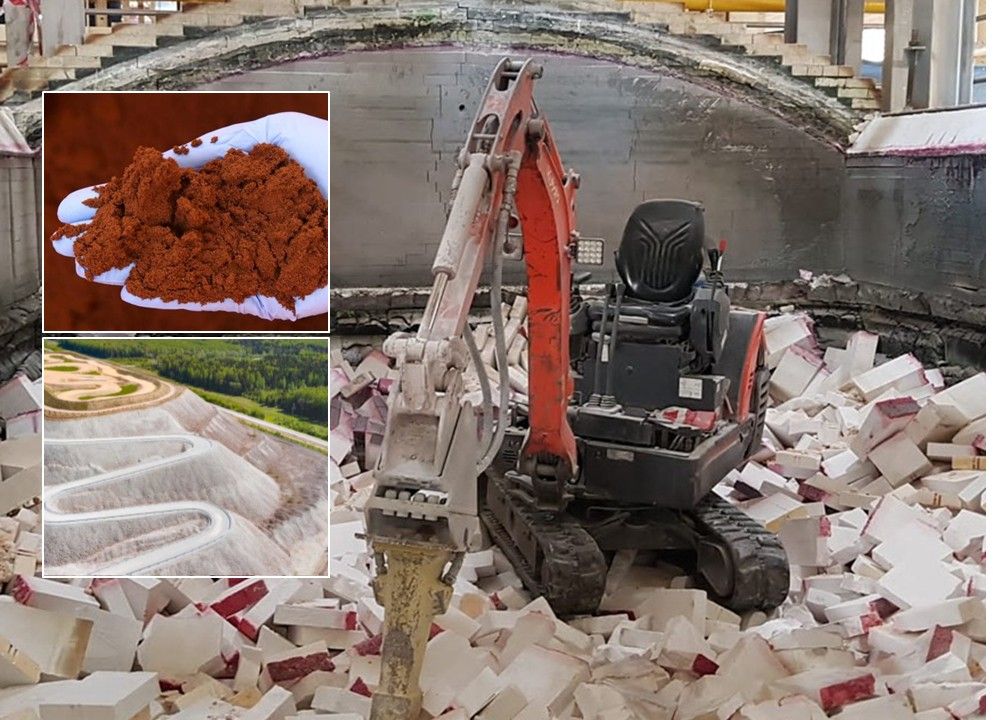
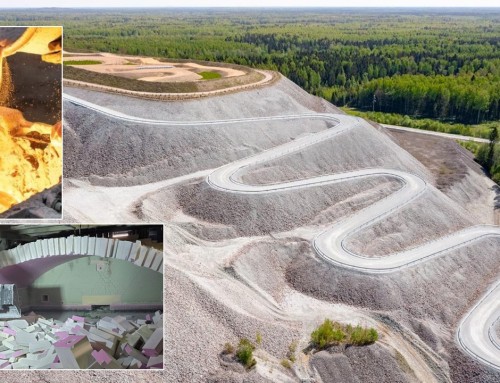
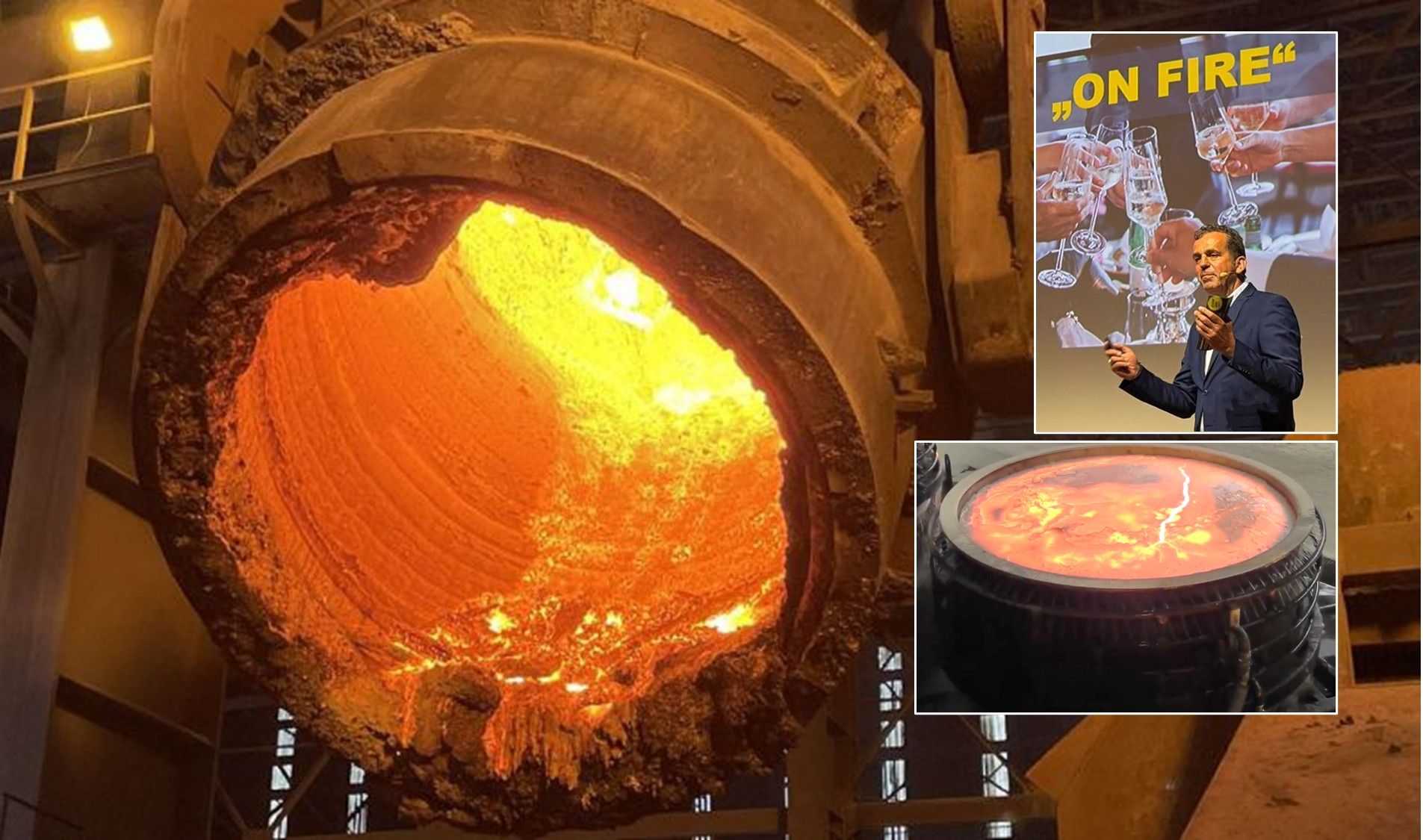
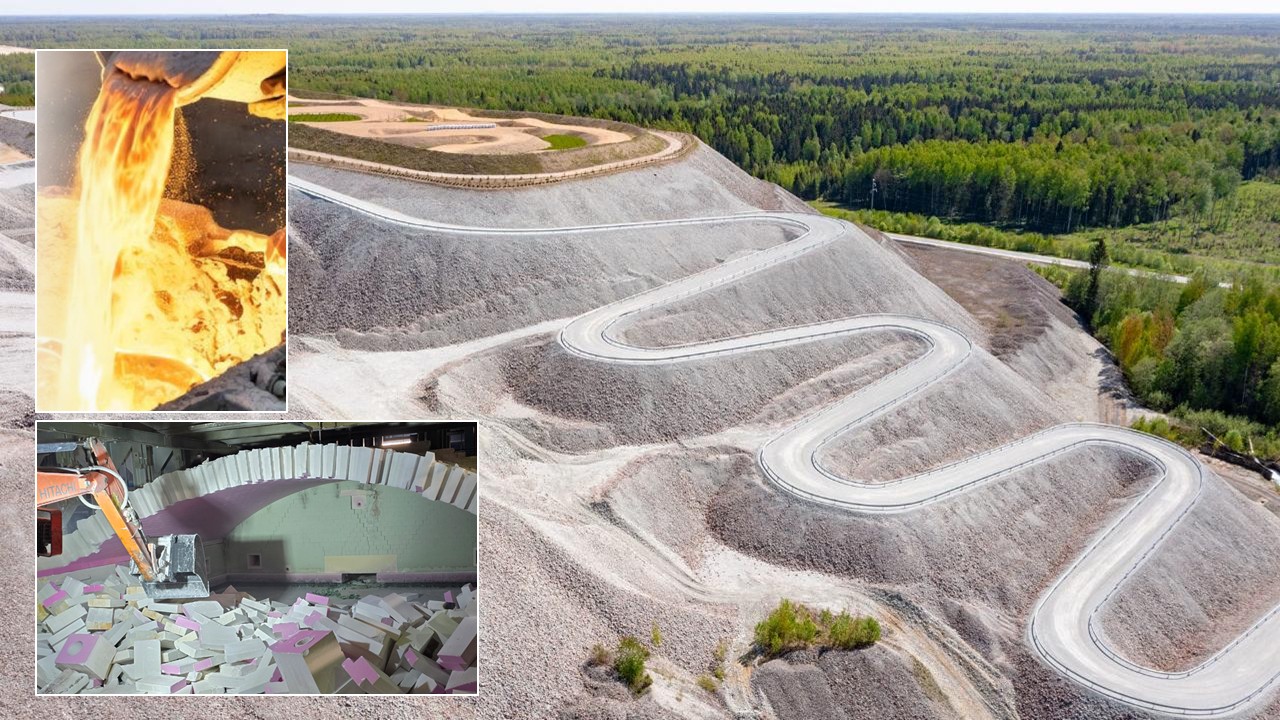
Title Image Rip it out and start again Dismantling the spent refractory lining from a glass fibre furnace, which after sorting, cleaning and processing can yield sought-after refractory minerals such as alumina, chromia, mullite, and zirconia which can be recycled into new refractory products; inset top left: Processed sewage sludge ash is a reliable and domestic phosphate source for fertilisers; inset bottom left: Limestone waste from oil shale extraction in Estonia yields a valuable source of calcium carbonate for fillers and aggregates. Images courtesy of REF Minerals, AEG.
Mineral recycling is one of the two missions of the mineral industry’s time right now; the other is decarbonisation. Get these right and the industry will be more resilient to the challenges to come plus making much needed improvements to our environment.
Find out the latest trends & developments in this fast evolving sector
Announcing
Learn about and network with leading players recycling industrial minerals from all waste streams, including:
Refractories | Slags | Salts | Ash | Glass | Batteries | Mine Tailings | Water | ConstructionFull Details Here
But mineral recycling should not be viewed as simply responding to environmental pressures, a checkbox on the corporate portfolio to allay fears and protests of damage to the environment, leading to charges of so-called “greenwashing”.
While mineral recycling will be an important contributor to the Circular Economy and assisting in climate protection, it will also evolve as an essential alternative source of raw materials, presenting opportunities in mineral recycling project developments and increased innovation and supply of pertinent processing and sorting technologies.
This new era of industrial mineral recycling is already underway and gaining momentum. But it is not plain sailing, mindsets need to be adopted and correct processes employed. Key questions raised include:
- How to go about getting involved in this sector?
- Whether to vertically integrate? Invest for an in-house business/plant?
- How much and how far to invest? What kind of processing/sorting technology required?
- Partner with/acquire an independent recycler? Join forces with same-sector end-use players?
- What kind of logistics are involved? Permits for handling/transport? Costs?
- Crucially: making grade acceptable, consistent, & economic for customers?
Mineral recycling key drivers
The primary drivers, which maybe interlinked, responsible for accelerating industrial mineral recycling, and in particular its growing requirement for domestic markets, maybe summarised as below:
- Environment & market awareness of it: climate change – saving the environment; CO2 reduction; overall drive for the “Circular Economy” gathering momentum; sustainable development of raw materials; and, crucially, mineral-bearing end product manufacturers (ie. the mineral consumers) increasingly needing to show “evidence” of “green credentials” in their raw material sourcing and production (eg. sustainability, CO2 footprint).
- Cost factors: rising cost of primary mineral mining and processing, energy, logistics, waste treatment, landfill, future “environment” penalties.
- Limited primary sources: risky overreliance on supply/trade from limited overseas sources; for certain minerals, shortage of commercially developed mineral resources and processing plants.
- Supply chain vulnerability: logistics stress; geopolitical impact; vulnerability particularly spotlighted by Covid-19 pandemic, Russia-Ukraine war, US trade tariff issues, US-Iran conflict, China-Taiwan?
- China in change: relevant owing to China’s mainstay as world mineral supplier – overreliance by global consumers?; domestic supply issues impacted by wide range of factors = unpredictability in export availability and prices; end of an era for low-cost import reliance? Time to de-risk? = boost to alternative mineral source development outside China, including recycled materials as option.
- “Criticality” of minerals recognised (finally!): critical raw materials (CRM) recognised; “critical” and “strategic” mineral awareness now more mainstream, particularly in the energy sector (eg. Li-ion batteries, EVs, solar, wind) and also electronics (eg. semiconductors) = increasing government awareness/action/support/investment to include recycling programmes.
- Recycling technology more economic/established: evolved from somewhat esoteric, expensive mineral processing sideshow to mainstream processing line; advances in processing and sorting technology; opportunities now sensed and sought after; and significantly, more primary mineral miners increasing mine waste recycling efforts.
Government initiatives & priority awareness
Regarding state activity in mineral recycling, the European Commission has been leading the way forward with a raft of ongoing proposals and initiatives since the early 2000s. This represents an all-out effort to push European Union countries towards a Circular Economy.
The Critical Raw Materials Act (CRMA) of 2024 stated three benchmarks for the EU’s annual consumption of CRM: 10% from local extraction; 40% to be processed; and 25% to come from recycled materials by 2030.
Then in December 2025, the RESourceEU Action Plan 2025 was adopted to boost the CRMA objectives by “Unleashing The Circularity and Innovation Potential”, ie. keeping CRMs in the EU and recycling the resources already available; incentivising the recycling of CRM; and stimulating innovation to enable substitution and efficiencies.
There has been criticism of a lack of action in these initiatives. A boost is expected from the EU Circular Economy Act 2026, due for adoption in late 2026, aiming to: establish a Single Market for secondary raw materials; increase the supply of high-quality recycled materials; and stimulate demand for these materials within the EU, including stockpiling of recycled CRM. The overall aim is to double the EU’s recycled material use rate from 12% to 24% by 2030.
EC President Ursula von der Leyen at the European Industry Summit, Antwerp, 27 February 2025, urged: “We need a paradigm shift on circular economy. We have to keep critical raw materials waste in Europe and give it new life.”
The USA, although somewhat belated in its approach to mineral supply chains and secondary raw materials, has since been very busy in recent years with a string of Executive Orders focusing on rejuvenating and funding US CRM resource and recycling projects, including mine waste, eg. EO 14154 “Unleashing American Energy”, Jan. 2025, EO 14241 “Immediate Measures to Increase American Mineral Production”, Mar. 2025, and not least the US Inflation Reduction Act (IRA) of 2022 which through a series of tax credits aims to enhance the transition to a circular economy by driving demand for recycled critical minerals. How successful will these measures be? Let’s see.
What is being recycled?
So, in short, tomorrow’s “mining” will in large part be efficient and economic utilisation of today’s industrial waste. The latest trends and development in this growth sector are regularly under the spotlight at IMFORMED’s annual Mineral Recycling Forum, held this year in Cannes, 15-17 April (see Mineral Recycling Mediterranean Meet ; and next year same venue on 12-14 April 2027 – see Mineral Recycling Forum 2027).
There are three primary recyclable waste streams for industrial minerals:
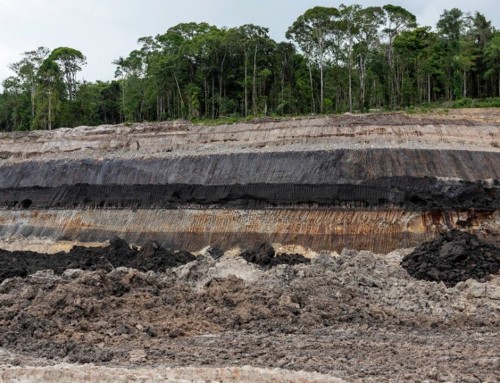
- Mining and mineral processing waste; generated at the mine or processing plant.
Examples: LKAB, Sweden, to process iron ore tailings for rare earth elements, phosphorous, gypsum; Baie Minerals, ECO2, Exterra Carbon Solutions, Canada, all targeting asbestos mine tailings for MgO; ElementUS, USA, developing process for bauxite red mud to yield gallium and scandium (recently received US$29.9m Dept. of War fund); Arkema-Nutrien, USA, JV processing phosphate rock waste fluorosilicic acid (FSA) to anhydrous hydrofluoric acid (HF); Fluorsid, Italy also developing FSA process for synthetic fluorspar and precipitated silica; Imerys, China, recycling waste from ground calcium carbonate processing; Colorado School of Mines 2025 study revealed mining waste from just 54 active US sites “contains enough CRM to meaningfully shore up domestic supply chains.” - Mineral-bearing intermediate/end product manufacturing waste; generated by the intermediate mineral consumer, manufacturing the end product.
Examples: ElementUS, USA, developing sintered alumina/spinel refractory material from secondary aluminium salt dross; Mota Ceramic Solutions, Portugal, expanding operations to recover and reprocess ceramic manufacturing waste; Gannon Eco, Rep. of Ireland, expanding operations to recycle semiconductor manufacturing waste containing reusable HF. - Spent/waste mineral-bearing end products; generated after utilisation by the ultimate end-user
Examples: Sibelco, Europe & North America, expanding projects to recycle glass (and supply primary silica sand); RHI Magnesita, Refratechnik, REF Minerals, Horn, Europe, steadily increasing rate of refractory recycling; MP Materials/Apple, USA, new partnership to use recycled rare earth magnets; widespread efforts, Europe & USA, to process lithium carbonate from black mass (recycled from lithium-ion batteries), Ascend Elements, USA, succeeded in 2025.
Alternative sourcing option evolving
All this has triggered the evolution of a new mine-to-market supply chain option for consumers of industrial minerals, with the intermediate stages of the mineral processor and the trader extending their activities to encompass specific mineral waste stream sourcing and recycling (see accompanying chart).

The evolving mindset has also shifted upwards to the primary miners which are now seeking to re-evaluate and re-process their, in some cases, long-standing mine tailings (OK, better late than never).
One of the chief aspects to consider now is the growing trend, unlikely to diminish, from mineral consumers required to demonstrate to their customers how they are “greening” their raw material supply chain and manufacturing processes. This may include proof of sustainable mineral sourcing, (increasing) levels of recycled material used in the end product, reduction of CO2 footprint in mineral supply and manufacturing.
The upshot is that we should see more moves from mineral buyers (and producers) to on- and near-shore mineral sourcing to markets in order to reduce the carbon footprint in logistics, plus see more mineral recycling projects closer to markets.
However, in order to make the entire recycling loop function, both efficiently and economically, there needs to be continuous and growing alliances and collaboration between each of the mineral recycling supply chain stages.
In particular, there must be a mindset on the part of product manufacturers to raise the degree or ease of recyclability of the spent end product, as well as ensuring increasing volumes of recycled material maintain the desired performance of the product = co-operation with the suppliers.
Refractory market leading the way
The good news is that we are starting to see evidence of this in the mineral industry in Europe. The refractories industry is a good example, where MgO-C bricks can perform with up to 30% recycled material. Catching up fast in this field are Turkey, India, and South Korea.
In addition to high landfill costs (in Europe), and limited supply sources for certain refractory minerals, raw materials used to manufacture refractory bricks can account for up to 90% of their total carbon footprint.
In the USA, the refractory recycling sector is in its early days, and this needs to ramp up. The USA relies on significant import volumes of refractory minerals, particularly from China (according to latest data from the US Geoological Survey):
- Bauxite, 100% (net import reliance), from China, Guyana
- Graphite, 100%, China, Canada, Mozambique, Mexico
- Fused alumina, >95%, China, Canada, Brazil, Austria
- Chromium, >79%, South Africa, Kazakhstan, Finland, Canada
- Silicon Carbide, 74%, China, Brazil
- Alumina, 71% from Brazil, Jamaica, Australia, Canada
- Magnesia, 52%, China, Israel, Brazil, Canada.
Pleasing to report that there has been progress over the last two years with increased activity from leading consumers such as HarbisonWalker International, and strategic acquisitions, such as RHI Magnesita buying established US recycler BPI Inc.
Recycling future in perspective
When one considers the plethora of end markets served by industrial minerals, just think that each of these is embarking on its own specific journey to increased recycling of their products and working towards using increasing levels of recycled raw materials in them.
For perspective, according to IMFORMED research: ceramics consume some 40 different types of industrial minerals; paint/pigments, chemicals, agrimarkets, glass, and food/pharma each use >30 different minerals; oilfield drilling, plastics, construction, abrasives, cement, refractories use >20 minerals (see IMFORMED’s latest Mineral Market Matrix wall chart).
That’s a whole lot of opportunity in the development of industrial mineral recycling for the future, certainly the smart solution for helping both sourcing and the circular economy.
* IMFORMED was once again both honoured and delighted to be invited to write the introduction to Mining Engineering’s annual review of industrial minerals in its July 2026 issue. For a PDF copy of the article in Mining Engineering click here.
Edited each year by Jim Norman, VP, Tetra Tech Inc., the IM Annual Review 2025 covers a range of industrial minerals, summarising supply and demand trends.




Another great article, many thanks Mike !
For sure, mineral recycling will play a role in the very near future. However, there must evolve from the consumer side, a healthy and consistent demand for recycled minerals. So far this might still be in marginal stages. One cannot force or create a demand by themselves. Price is king.
The EU writes catchy reports and even more rules and legislation, which is in fact frustrating faster development. Also on the logistic side of things, like transportation rules for waste products, simply crazy. Thats why today, the EU is exporting black mass….to China (amongst others)
Stockpiling of recycled CRM, but where and who is in (cost) control ?
It is in developping industry, I know, hopefully they find the right answers soonest and proceed their way to great success.