
The refractories industry is facing some challenging headwinds, especially in Europe, but certain factors, plus bright spots expected from steel market performance in India, the Middle East and eventually the USA, should contribute to an overall positive outlook to 2040.
According to leading refractories consultant Tom Vert, world refractory consumption is projected to increase by 25% by 2040; from an estimated 28.8m tonnes consumed in 2025 to almost 36m tonnes in 2040.
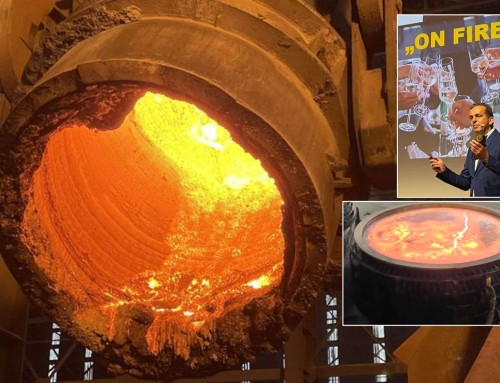
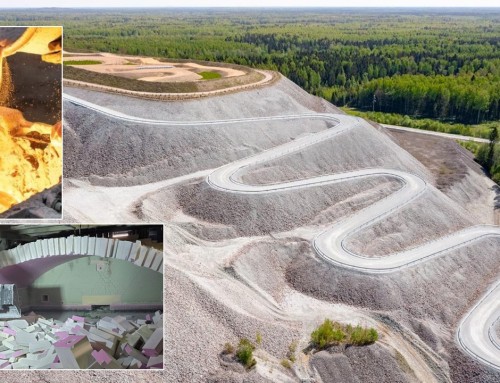
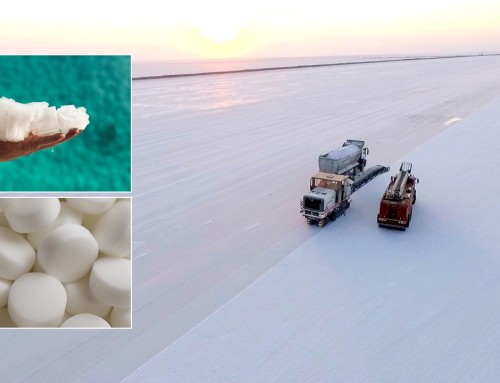
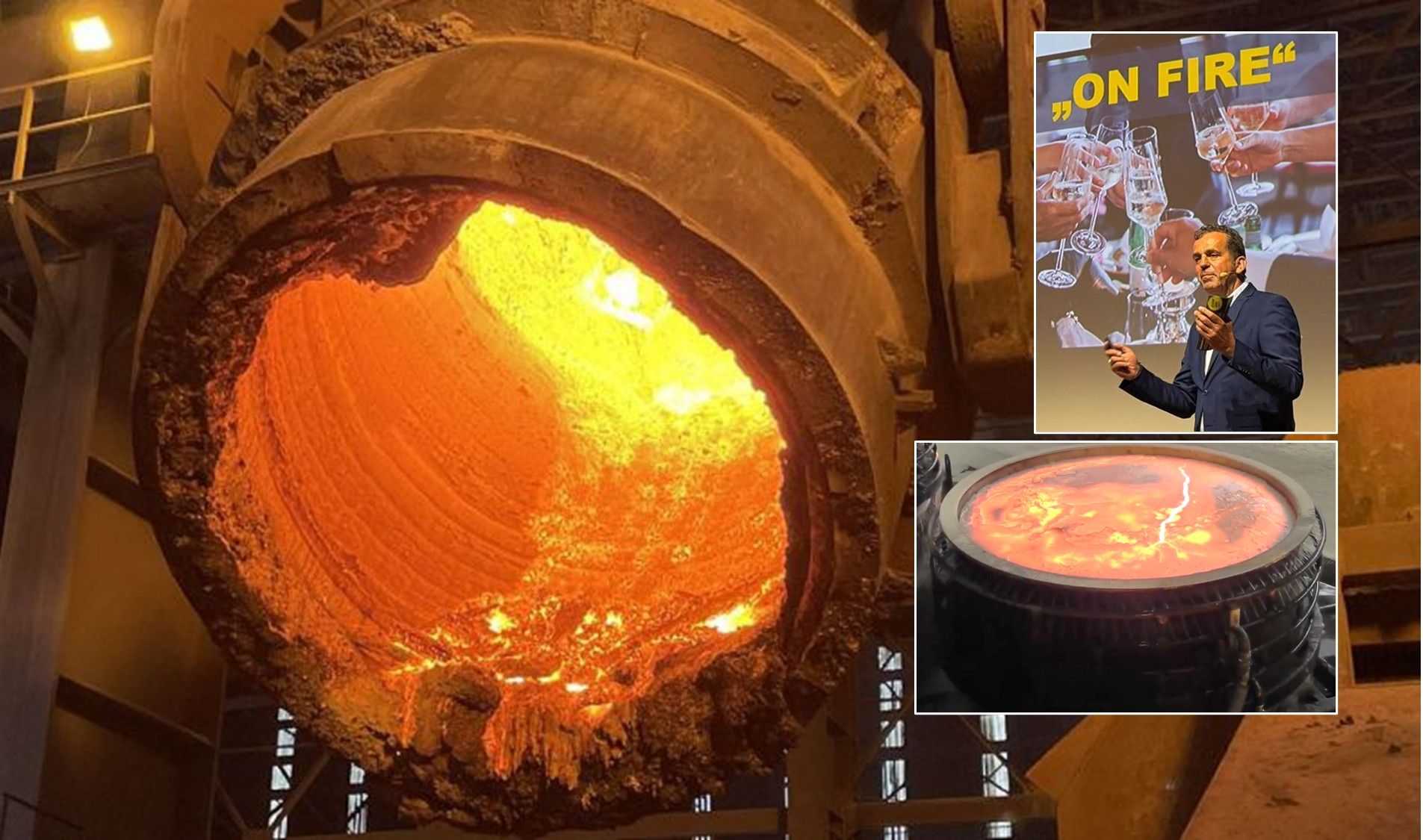
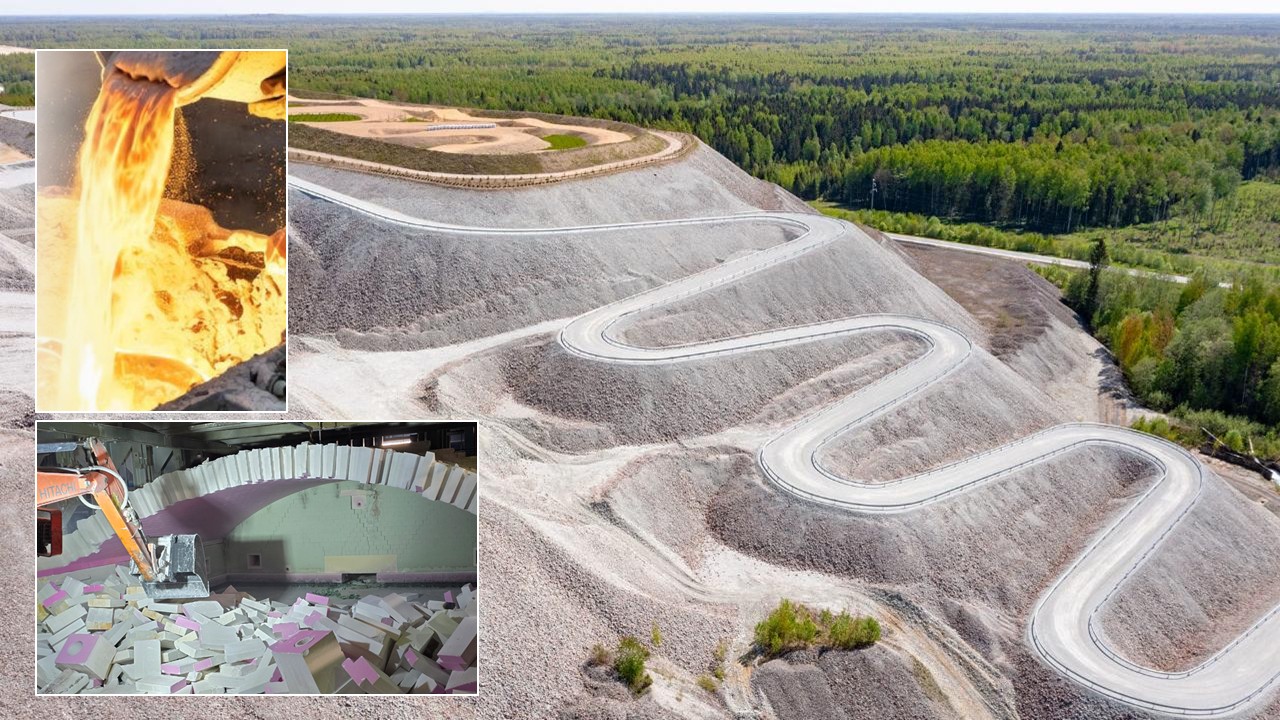
Title Image Rip it out and start again: No more an esoteric sideshow, recycling refractories is now in the mainstream and expected, indeed required, to contribute much more to future refractory design. Images courtesy REF Minerals, Simbio Refcycle
Among the key trends anticipated to dominate the next decade will be increased use of recycled refractory material, with the rate of refractory recycling perhaps by up to 50% or more.
This will be driven in part by the continued risk of volatility in refractory raw material availability, owing to a prevailing unpredictable global market, influenced by geopolitical and trade issues. Just earlier this month, the European Commission announced on 16 January that imports of fused alumina from China into the European Union will now be subject to definitive anti-dumping duties ranging 88.7% to 110.6%.
These trends were underlined by Vert in his excellent keynote presentation “Refractory Usage Trends in a Constantly Changing Marketplace” at UNITECR 2025 last October, where he urged: “All stakeholders need to ‘shock-proof’ their supply chains with an increase in recycled materials” (more details below).
Stefan Borgas, CEO of world refractories leader, RHI Magnesita, in his end-of-year reflective interview in December 2025, highlighted the group’s continued increase in recycling initiatives – “…in terms of actual usage and also in terms of technology improvement.” – and reminded that “In a market that remains challenging; innovation becomes even more important.” This is particularly relevant to refractory recycling.
IMFORMED has again brought together an expert panel of speakers to discuss and highlight the latest trends, developments, and innovations in recycling refractories at Mineral Recycling Forum 2026, Cannes, 15-17 April (for a review of last year’s conference see: Mineral recycling: the smart solution for sourcing & the Circular Economy).
Above all, the event attracts the key international players with whom to network in this fast evolving sector of the refractories industry.
“HARD TRUTHS” | CARBON FOOTPRINT | GLASS & CEMENT REFRACTORIES | NORTH AMERICA | INDIA | BREAKING IMPORT DEPENDENCY THROUGH RECYCLING
DON’T MISS OUT! EARLY BIRD RATES END 4 MARCH!
Confirmed Speakers
The hard truths about recycling refractories and the road to circularity
Jennifer Astoveza, Sales Manager for Circular Raw Materials, RHI Magnesita, France
Glass refractory recycling developments
Werner Odreitz, CEO, REF Minerals GmbH, Germany
Recycling in the cement industry
Dr. Volker Wagner, Global Refractory Manager, Heidelberg Materials AG, Germany
North American refractory recycling strategy & market outlook
Nicole Sweet, Head of End-to-End Recycling NAM, RHI Magnesita, USA
Refractory recycling developments in India
Ishan Agarwal, Head Operations and Business Development, Jai Balajee Trading Co. – JBTC, India
Reinventing refractories: How US-Made spinel-corundum aggregates processed from waste could break the industry’s dependence on imports
Ellis Sullivan, CEO, ElementUSA, USA
Impact of secondary raw materials on the product carbon footprint of refractories
Dr Kathrin Weber, Head of Research & Development, Refratechnik Cement GmbHOTHER SPEAKERS & FULL DETAILS

Refractory market future with recycling
Vert’s world refractory consumption forecast, to increase by 25% to almost 36m tonnes by 2040, contrasts with other, more bullish, growth forecasts. Research & Markets, for example, estimates a “surge” in the global refractories market “from 57.36m tonnes to 69.75m tonnes by 2030”. While Vert may appear more conservative, his projection is probably more realistic.

Supporting his forecast are the following factors:
- Steel and cement refractory sectors will continue to grow as the main drivers of refractory usage, with steel remaining dominant (73% share of total market)
- Petrochemical usage will shrink continually in the future as the world transitions to renewables
- Consumption in glass will also increase with the use of hydrogen as a fuel source.
Other key influencing trends are likely to include that end users will continue to change and make their processes harsher based on the demands of their stakeholders.
Also, raw material supply will be unstable due to global instability in tariffs, shipping, and supply chain demands.
Vert considered that two chief forces driving up refractory consumption rates will be “Green production” and sustainability initiatives.
“Green production” will include increased use of hydrogen fuel and thus is expected to lead to higher refractory wear.
Sustainability adds additional “pressure” to refractory applications, such as:
- Increased use of “garbage” in cement kilns and/or other furnaces as a fuel to offset carbon sources
- Less mining of natural resources for the earth and water usage
- Increased usage of recycled materials and focus on “cradle to grave” usage
- Supply chain risk management and minimised transportation

Vert said: “Recycling of refractories needs to drive to >50% level to offset continued risks of volatility in volume/pricing of raw materials in an unpredictable global marketplace.”
Recycling of refractories is key to three main areas:
- Risk management of supply chains
- Environmental performance
- Cost/Price control
Vert concluded by reminding that successful recycling of refractories can only be accomplished with:
- True partnership at all levels (including cost/profit sharing) by end user, refractory manufacturer, and recycling company.
- Improvement of bonding systems for products with high % of recycled material (eg. EAF delta, basic gunning materials).
With over 30 years of experience in refractories within the steel industry, encompassing installation, engineering, and management, Tom Vert has established a distinguished career at the intersection of steelmaking operations and refractory technology. He has been an Independent Consultant since 2018 under Strategic Refractory Consulting.